The Advantages of an Editable Recipe Book Template for Amazon KDP
For aspiring authors and culinary enthusiasts looking to publish a cookbook, the process of designing a professional interior can be a significant hurdle. An editable recipe book template offers a structured, pre-designed solution specifically formatted for platforms like Amazon’s Kindle Direct Publishing (KDP). This discussion explores the practical utility of such templates, focusing on their role in streamlining publication and helping creators evaluate if this tool aligns with their project goals.
Understanding the Editable Recipe Book Template
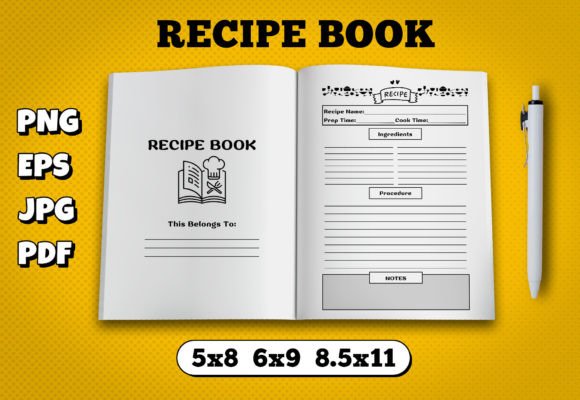
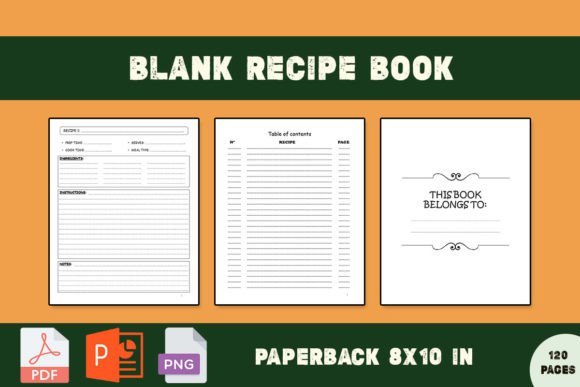
An editable recipe book template is a digital file, typically provided in formats like PDF, PowerPoint (PPT), or PNG, that provides the foundational layout and design for a cookbook's interior pages. It is not a finished book but a customizable framework. Key specifications for KDP, such as the perfect size of 8×10 inches, a starting point of 120 pages that can be added or deleted, and settings for bleed or no bleed, are pre-configured. Common template elements include a "Belongs To" page, a table of contents, and sequentially organized pages for recipes, introductions, and notes. The "editable" aspect means users can insert their own text, images, and adjust layouts within the provided structure using standard software, before generating a print-ready file for upload.
Primary Reasons for Interest and Key Benefits
Individuals research editable recipe book templates for several core reasons. The foremost is efficiency. Designing a book interior from scratch requires considerable skill in graphic design and understanding of publishing specifications. A tested template eliminates the need for this expertise, drastically reducing the time from manuscript completion to a ready-to-publish file. Secondly, it ensures technical compliance. Templates designed for KDP interior guidelines handle critical details like margins, page size, and resolution, minimizing the risk of upload errors or print-quality issues. Finally, it provides a professional aesthetic baseline. Even with minimal design experience, users can produce a cookbook that looks cohesive and polished, which is vital for market credibility.
The benefits are tangible. Users gain a predictable workflow, allowing them to focus on content—recipes, stories, photography—rather than formatting. The flexibility to add or delete pages means the template can accommodate projects of varying lengths. Receiving high-quality print-ready files in multiple formats (PDF, PPT, PNG) offers versatility; the PDF is for final upload, while the PPT or PNG files allow for easier visual editing. The inclusion of standard pages like a table of contents also adds functional value that might be overlooked by a novice.
Tradeoffs, Considerations, and Realistic Expectations
Using a template involves certain tradeoffs. The most significant is creative limitation. While editable, the template's core design—font styles, page structure, graphic elements—is fixed. Your book will follow that established visual theme. This can be a benefit for consistency, but it may not suit authors seeking a highly unique or avant-garde layout. Additionally, "editable" does not always mean effortlessly customizable. Some technical know-how in using software like Adobe Acrobat, PowerPoint, or image editors is still required to cleanly insert content and maintain the template's integrity.
Important considerations before purchasing include verifying the template's exact specifications. Confirm the page size (8x10 inches is common for larger-format cookbooks), the bleed setting (a "no bleed" template is simpler for beginners), and the file formats provided. It is also crucial to assess your own content. If your recipe book relies heavily on complex photographic layouts or requires specialized sections beyond standard recipe pages, ensure the template's structure can accommodate them or is easily modifiable.
Set realistic expectations. A template is a production tool, not a magic solution. It will not write your recipes, source your images, or market your book. The outcome's professionalism depends heavily on how well you populate the template with high-quality content. The promise of a "print-ready" file is contingent on you following editing instructions correctly.
Situations Where an Editable Template is a Strong Fit
An editable recipe book template is an excellent fit for several specific scenarios. First-time KDP publishers with no background in book design will find it the most valuable. It provides a safe, guided path to a technically correct upload. Individuals or community groups compiling family recipes or club cookbooks for a niche audience often prioritize simplicity and speed over custom design; a template perfectly serves this practical need. Furthermore, authors who have strong content but a limited budget for hiring a professional designer can use a template as a cost-effective alternative to achieve a marketable product.
It is also a strong fit for projects with a straightforward structure. If your cookbook follows a conventional format: introductory pages, categorized recipes, and perhaps some basic notes, a well-designed template will map seamlessly to your content. The ability to add or delete pages allows you to tailor the length precisely to your collection.
When Alternatives Might Be Worth Considering
There are situations where alternatives to a pre-made template should be explored. If your cookbook concept is deeply visual and design-centric—such as a art-forward culinary book or a work requiring intricate, custom page layouts—investing in a professional graphic designer may yield a more aligned and distinctive final product. Similarly, if you possess advanced skills in design software like InDesign, creating your own template from scratch could offer greater creative control and uniqueness.
Another alternative exists for extremely simple projects. If your recipe collection is very brief (under 30 pages), you might consider using KDP’s basic formatting tools or a simple word processor, though this often sacrifices the polished look of a dedicated template. Finally, if the provided template formats (e.g., only PPT) are incompatible with software you are comfortable using, it might create a technical barrier worth considering.
Practical Decision-Making Insights
To determine if an editable recipe book template is right for you, conduct a simple self-assessment. First, evaluate your primary goal: Is it to publish a functional cookbook quickly and correctly, or is the custom design an integral part of the book's value? If the former, a template is likely suitable. Second, audit your resources: Do you have the time, budget, or skill to design an interior independently? If not, a template fills that gap. Third, scrutinize your content's complexity. Match your manuscript's structure against typical template offerings; if they align, the fit is good.
When selecting a specific editable recipe book template, prioritize clarity in its documentation. A good template will include clear instructions on how to edit, what software is needed, and details on all specifications like page count and bleed. The provision of multiple file formats (PDF, PPT, PNG) is a mark of versatility, catering to different editing preferences. Remember, the template is the foundation. Your attention to detail in populating it with well-written recipes and clear images will ultimately define the book's success.
In summary, an editable recipe book template for KDP interiors is a practical tool that democratizes the publishing process. It lowers the technical barrier for entry, ensuring creators can produce a professionally formatted cookbook without specialized design skills. Its value is maximized for authors seeking efficiency, compliance, and a clean aesthetic, particularly for conventional recipe collections. By carefully weighing the tradeoffs of creative limitation against the benefits of speed and reliability, you can make an informed decision on whether this approach aligns with your publishing objectives and needs.