Darts Score Sheets: A Designer's Guide
There is something quietly satisfying about a well-designed Darts Score Sheets layout. At first glance it may seem like a simple grid of numbers and lines, but for graphic designers and creative professionals, even the most functional print materials carry an opportunity to showcase visual clarity and thoughtful composition. Whether you are crafting a personal game night accessory or building a product for the growing print-on-demand marketplace, the design decisions behind these sheets can influence usability, brand perception, and overall aesthetic appeal.
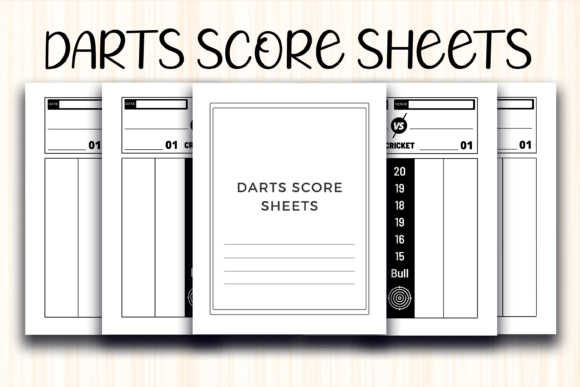
In the world of digital products and KDP interiors, Darts Score Sheets KDP Interiors have emerged as a popular low-content publishing niche. With a trim size of 6 x 9 inches, 100 pages, high-quality PDF print output, and no-bleed formatting, these interiors represent a ready-to-use creative asset that blends practicality with clean visual design. For designers, the challenge lies in elevating something purely functional into a visually engaging experience without compromising legibility or structure.
Why Design Matters in Functional Print Materials
Every creative project, no matter how utilitarian, benefits from a designer's eye. A darts score sheet is not merely a piece of paper; it is an interface between the player and the game. The information architecture, typography choices, and spatial arrangement all contribute to how easily users can record scores, track rounds, and stay engaged throughout a match.
In graphic design, we often discuss visual hierarchy as a core principle. This applies directly to score sheet layouts. The most critical elements—player names, round numbers, and cumulative scores—need to stand out clearly. Secondary details like game variations or instructional notes should recede visually but remain accessible. A designer who understands this balance can transform a generic template into a polished, professional interior that feels intentional and trustworthy.
Typography and Readability
Typography plays an outsized role in the effectiveness of any score sheet. The right typeface ensures that numbers are distinguishable at a glance, that column headers remain crisp, and that the overall layout breathes properly. Sans-serif fonts with clean, open letterforms tend to perform best in functional print design. They reduce visual noise and support quick scanning, which is exactly what a player needs during a fast-paced game.
When preparing files for KDP or other print platforms, designers should also consider font embedding, PDF compatibility, and how different weights interact at small sizes. A 6 x 9 inch trim size offers a generous canvas, but the internal margins and grid systems must still respect readability standards. Consistent line spacing, aligned columns, and balanced white space create a visual design rhythm that feels effortless to the end user.
Practical Applications Across Creative Projects
Beyond the obvious use case of scoring a darts game, well-designed score sheet interiors can serve multiple purposes within a broader creative workflow. Designers who build digital product catalogs often bundle related assets together, creating cohesive collections that strengthen their brand identity across different niches.
Here are several areas where thoughtfully crafted score sheet designs can integrate into larger creative projects:
- Branding and logo design – Score sheets can be customized with monograms, club logos, or themed illustrations that reinforce a consistent visual language.
- Social media graphics – Styled flat-lay photos of printed score sheets make engaging content for game night promotions, pub events, or lifestyle branding.
- Editorial layouts – Score sheets can appear as functional inserts in magazines, zines, or event programs, adding a tactile interactive element.
- Packaging design – Bundled with dart sets or bar accessories, a beautifully printed score pad elevates the perceived value of the physical product.
- Digital products and merchandise – Printable PDFs, spiral-bound notebooks, and KDP paperbacks all represent scalable ways to monetize clean design work.
Building a Cohesive Design System
For designers creating multiple low-content interiors, maintaining a unified aesthetic across titles can strengthen brand recognition. This involves establishing a reusable color palette, consistent margin proportions, and a signature typographic style that runs through every product. A customer who purchases a darts score sheet and appreciates the design language is more likely to explore other offerings from the same creator.
Modern design trends favor minimalism and clarity, which align perfectly with the functional nature of score sheets. Subtle use of line weights, gentle background contrasts, and restrained decorative elements can add personality without distracting from the core purpose. The goal is to design something that feels premium but never pretentious.
Design Workflow Considerations for Print-Ready Interiors
Preparing a score sheet interior for platforms like KDP requires attention to technical specifications alongside creative execution. A design workflow that integrates both aspects saves time and reduces costly formatting errors. Key factors include setting up the document to the correct trim size, ensuring no bleed margins, and exporting to high-quality PDF standards that preserve vector sharpness and text clarity.
Designers working in Adobe InDesign, Affinity Publisher, or even Canva should pay close attention to:
- Establishing a baseline grid that keeps rows aligned across all 100 pages
- Using master pages or templates to maintain consistency throughout the document
- Testing print samples to evaluate ink density, paper texture interaction, and overall legibility
- Checking PDF profiles to ensure compliance with KDP's requirements for instant download delivery
These steps reflect broader principles found in UI design and UX design disciplines, where systematic thinking and user-centered testing produce superior results. A score sheet that prints beautifully and functions flawlessly reflects the same dedication to craft as any high-end branding project.
Visual Hierarchy and User Engagement
Even a simple scoring template benefits from intentional visual structure. Designers can guide the user's eye through strategic placement of bold headers, subtle divider lines, and grouped scoring sections. This reduces cognitive load and makes the experience more intuitive. When a player can navigate the sheet without conscious effort, the design has succeeded on every level that matters.
Color can also play a supporting role. While most score sheets rely on black-and-white printing for cost efficiency, accent colors applied sparingly to section headers or key rows can enhance both aesthetics and functionality. For digital versions or premium printed editions, a carefully chosen palette that aligns with modern aesthetics can differentiate a product in a crowded marketplace.
Creating Value Through Professional Presentation
The difference between an amateur template and a professionally designed interior often comes down to the details. Consistent kerning in the typography, even distribution of white space, correctly aligned tables, and a logical flow from one section to the next all signal quality. These are the same principles that underpin successful editorial design, packaging design, and advertising campaigns.
For creative entrepreneurs selling digital downloads, the instant availability of a polished, print-ready PDF adds tangible value for the customer. They receive a product that requires no adjustment, prints cleanly, and looks like it was crafted by someone who genuinely cares about professional presentation. This trust translates into positive reviews, repeat purchases, and a stronger overall brand presence in the design marketplace.
Thoughtful design choices elevate even the most straightforward creative assets. Whether you are developing a single score sheet interior or an entire library of printable products, the commitment to clarity, consistency, and visual appeal remains the same. A well-designed darts score sheet quietly communicates professionalism, and in a world saturated with mediocre templates, that quiet excellence stands out clearly.